
Cybersecurity in Kazakhstan
Data leaks, fraud schemes, personal data protection and corporate security — without panic, with concrete step-by-step instructions.

China’s GLM-5.2 matches Claude Opus in selected cybersecurity tests
Open-weight model GLM-5.2 reached results comparable to selected Claude configurations in two security evaluations. Researchers caution that the finding applies only to specific tasks.
Section topics
Leaks and personal data protection
What to do if your data is leaked; Kazakhstan's Personal Data Law; citizen rights.
Phishing and banking fraud
Calls from "security service", transfers via Kaspi, deepfakes. What to do right now.
Corporate security and IS audit
Kazakhstan IS audit requirements, pentests, trade secret protection, incident response.
Latest stories

How to choose a Wi-Fi router that won’t let you down: secrets of stable Internet at home
The problem is most often not with the provider, but with that small device that flashes lights in…

Artificial intelligence in construction: prospects for the economy of Kazakhstan
Construction is one of the key sectors of the economy, playing an important role in infrastructure development, job…

The Magic of Virtualization: How one piece of hardware does the work of many, simplifying IT for your business
Imagine that you have several computers in your office: one for accounting, another for storing files, a third…

Cloud technologies for business: In simple words, why it is profitable
In today’s world, where digitalization permeates every aspect of our lives and business, the speed of adaptation to…
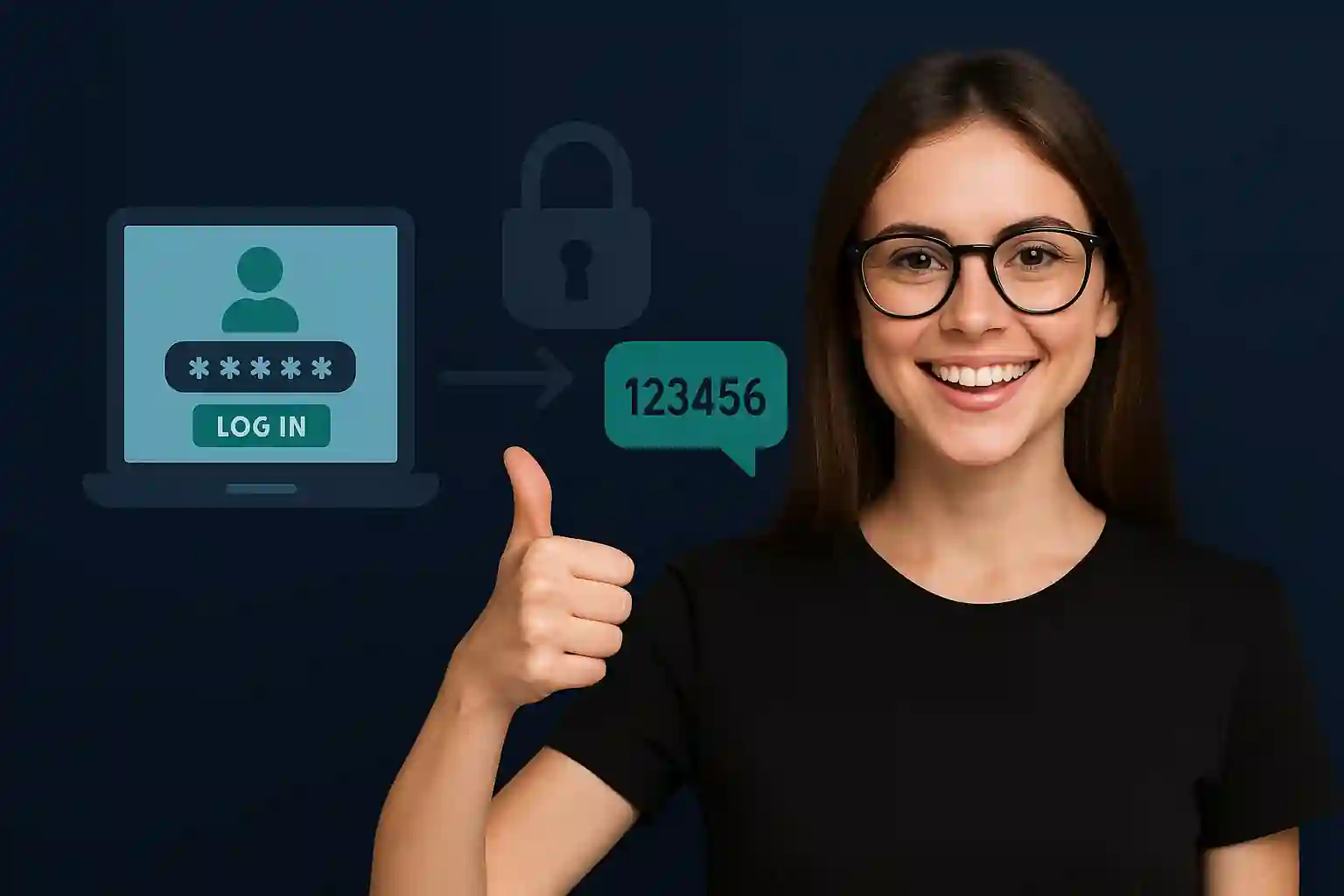
Two-factor authentication: Your reliable shield in the digital world
Introduction In an era when our lives are increasingly intertwined with digital technologies, the issue of personal data…

“My computer is buggy again!” — How directors and IT specialists stress each other out
All the characters and situations in the article are fictional, any coincidences are accidental. The story of how…
Practical guides
Sent money to fraudsters
Step-by-step plan for the first 10 minutes to recover the money.
Find stories Guide 02Check data leaks
How to find out if your data leaked and what steps to take.
Find stories Guide 03Basic cyber hygiene
7 protection steps: passwords, 2FA, VPN, antivirus, backups.
Find stories Guide 04EDS protection
What to do if your electronic signature key is stolen or compromised.
Find stories Guide 05Protection from deepfakes
How to recognize voice fakes and video deepfakes in calls and messages.
Find storiesEditorial standard
The section is built as an editorial index: fresh stories, clear navigation, verifiable sources and short explanations without promotional noise.
- We separate news from opinion and do not present forecasts as facts.
- We link to primary sources, documents, research and official company pages.
- We explain technical terms in plain language without marketing fog.
- For Kazakhstan, we highlight regulation, service availability and practical usefulness.