

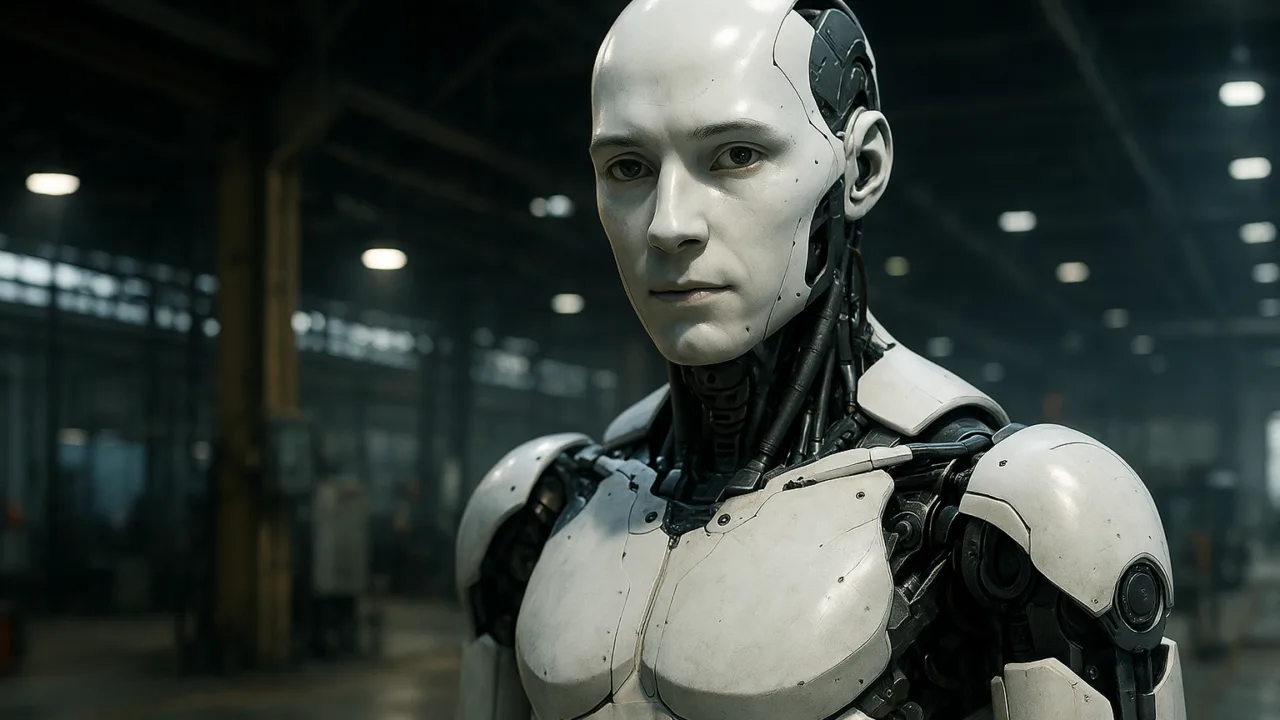
Humanoid robots are attracting billions in investment today, but one of the leading roboticists, Rodney Brooks, is confident these projects are doomed.
What’s wrong with humanoid robots
The robotics market is experiencing a surge of interest. Tesla, Figure, Apptronik, and other companies are actively showcasing humanoid robot prototypes and promising that within a few years they will replace people in dangerous and routine jobs. But Rodney Brooks, co-founder of iRobot and former MIT professor, stated in a new essay: investor hopes are misplaced (TechCrunch).
According to him, humanoid robots cannot replicate human dexterity and safety.
Hand vs. sensors
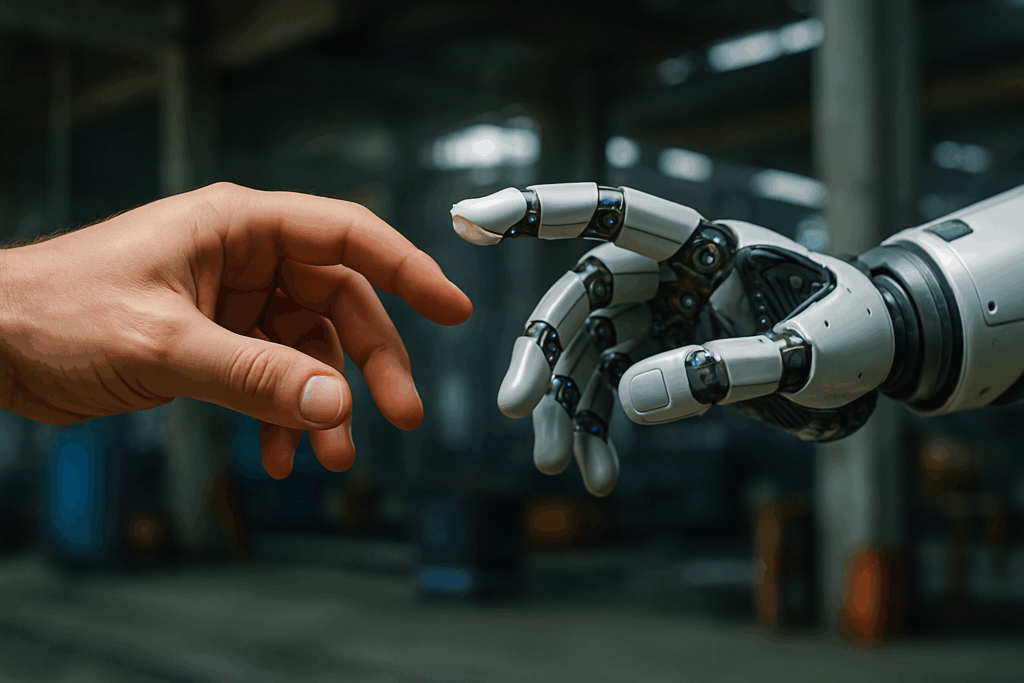
Brooks’s main argument is the impossibility of copying the human hand. The hand contains around 17,000 sensory receptors that ensure precise interaction with objects. Unlike speech or images, where AI made a revolution thanks to accumulated databases, in tactile data there simply is no such base. That’s why robots remain extremely limited in manipulation.
Danger of falls
Brooks also pays attention to physics. Humanoid robots burn enormous amounts of energy to maintain balance. When they fall, they become dangerous to those around them. Moreover, a robot twice the height of existing models releases eight times more energy when falling. This makes the mass use of such machines unsafe.
The future is not human-shaped
The scientist believes that over the next 10–15 years, successful robots will be quite different: with wheels instead of legs, with multiple arms, and special sensors. They will be optimised for specific tasks rather than imitating the human form.
Billions at risk
Despite Brooks’s warnings, venture funds continue to pour record sums. In September 2025, Figure announced raising more than $1 billion at a $39 billion valuation. Apptronik earlier raised about $450 million and partnered with Google DeepMind.
Brooks is convinced these investments are going into “expensive experiments” that will never become mass products. In essence, the humanoid robot market may turn out to be a bubble comparable to the early 2000s dot-coms.
Lessons from artificial intelligence
Brooks’s scepticism is not limited to robots. He has repeatedly criticised inflated expectations of generative AI. A study by the non-profit METR found that programmers using AI tools took on average 19% longer to complete tasks. Yet they were sure they were working faster.
According to the scientist, exactly this gap between subjective feelings and reality is now also observed in robotics. People feel progress is moving in great strides, but in fact technology is not yet ready for real-world use.
Conclusion
Humanoid robots, despite companies’ loud claims and billions in investment, may never leave the labs and demos. Rodney Brooks warns: betting on copying the human form leads to a dead end. He sees the future of robotics in practical, specialised machines rather than expensive human imitations.

Comments on this article