


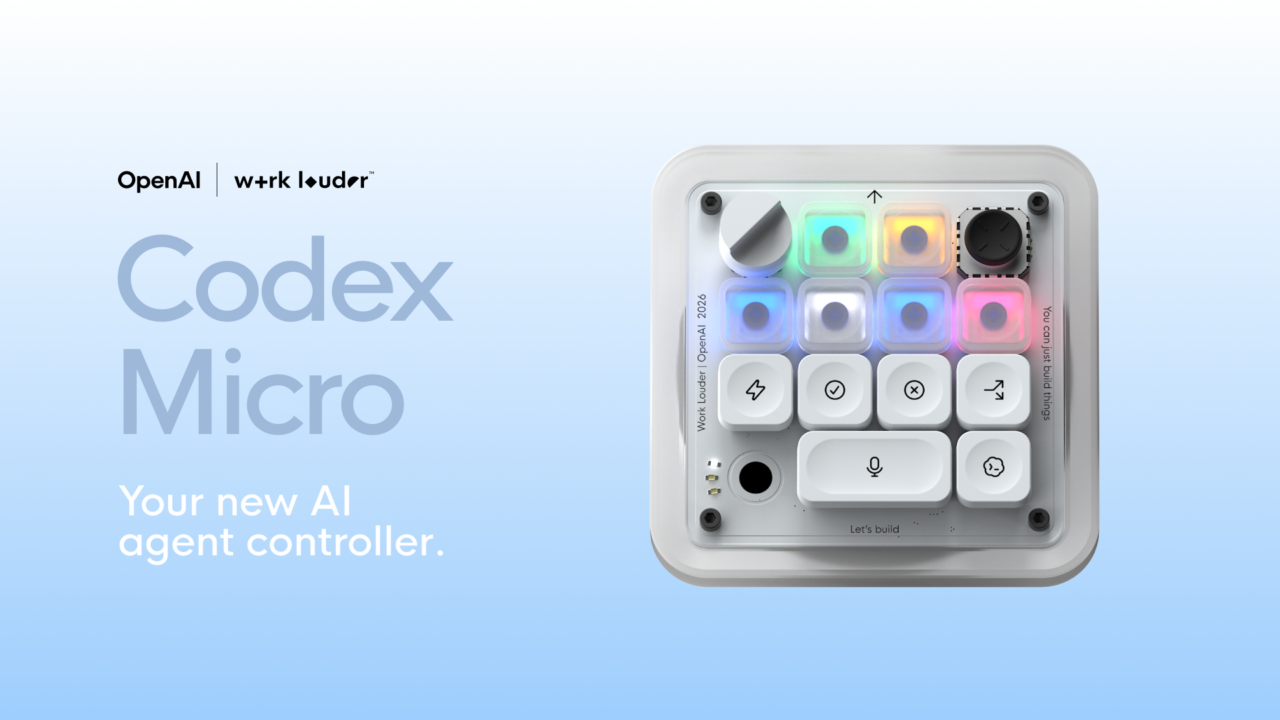
OpenAI has introduced Codex Micro, a compact physical controller for Codex users, built with Work Louder. The $230 device is designed to monitor AI agents, trigger frequent Codex actions and make multi-agent work more tactile. As of July 17, 2026, OpenAI’s product page shows it as out of stock.
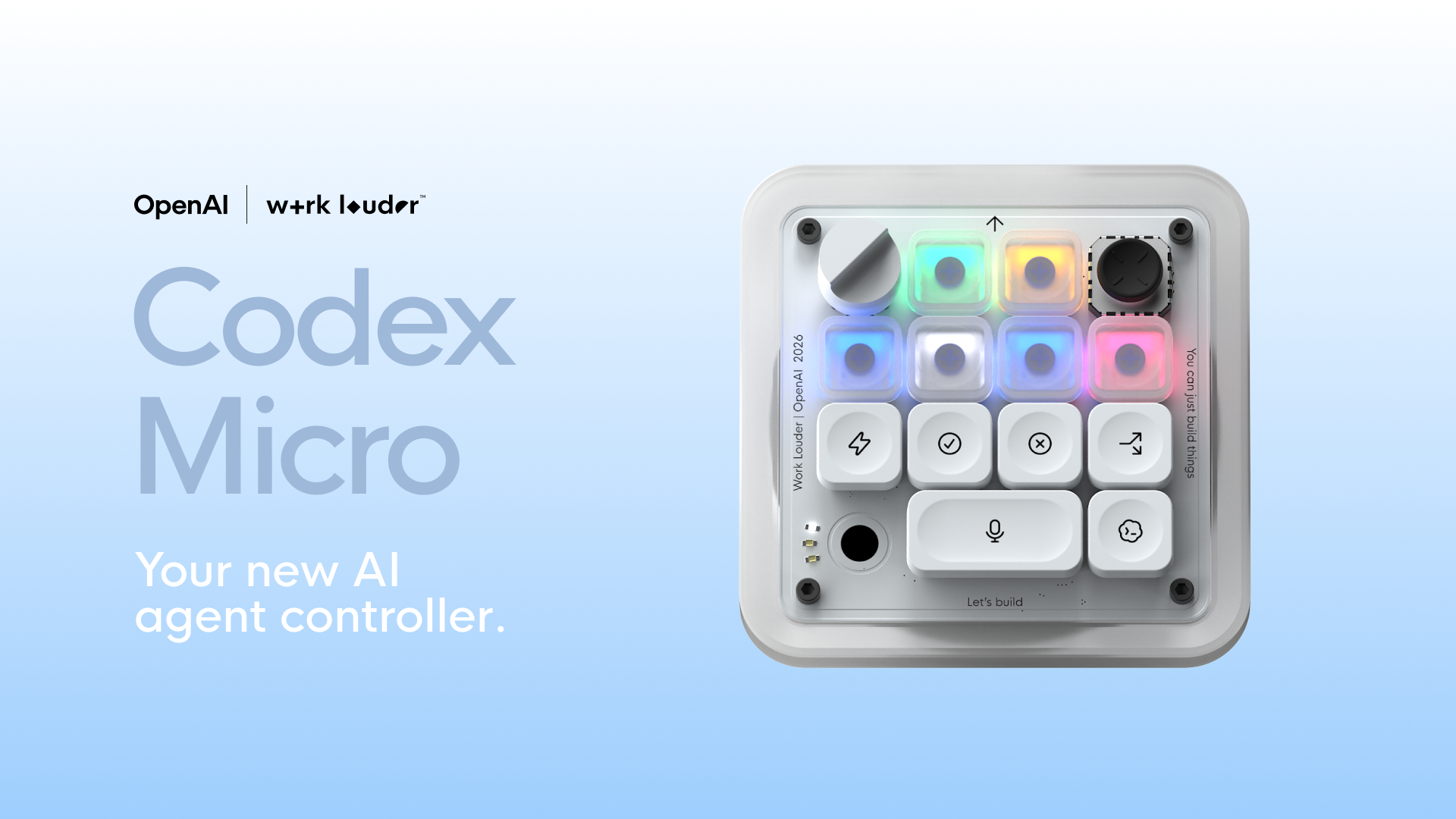
On the official OpenAI Supply Co. page, Codex Micro is described as a command center for agentic work: RGB feedback shows what active agents are doing, and Codex actions can be mapped to tactile controls. The Work Louder page says the device is built for voice prompting, collaboration and task monitoring without constant window switching.
What Codex Micro does
Six translucent agent keys act as live status indicators. Work Louder lists states such as idle, thinking, complete, needs input and error, giving users a quick way to see where each Codex task stands. The Verge also notes that the keys provide a live view of Codex threads.
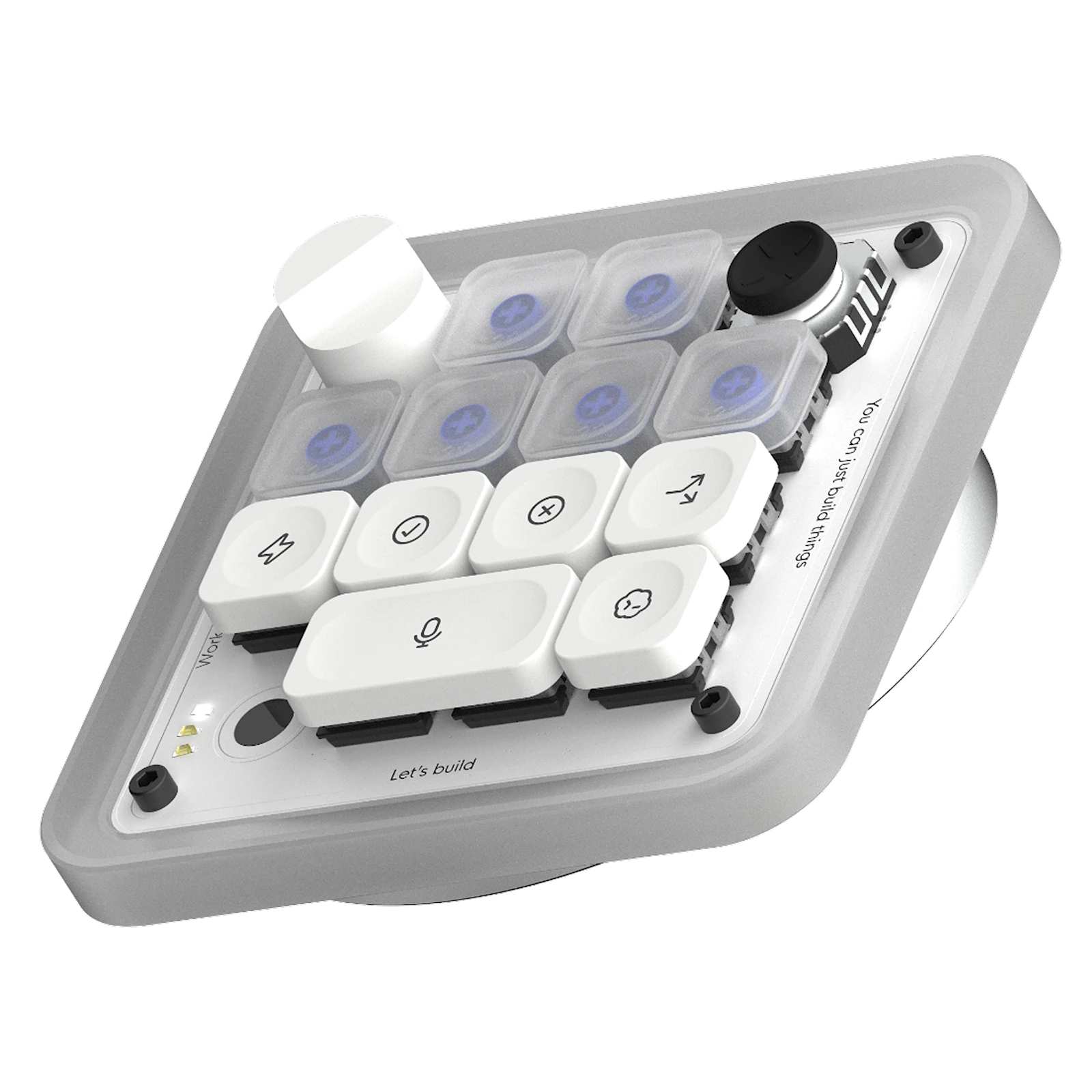
Command keys can be mapped to actions such as accept, reject, push-to-talk, starting a new chat and custom commands. The joystick can launch workflows like reviewing a pull request, debugging an error or refactoring code. The dial adjusts the agent’s reasoning level in the moment.
Why it is more than a keyboard
Codex Micro matters because it moves AI-agent control out of a purely software interface and into a physical workspace. Task status becomes visible on the desk, while approval and rejection become explicit tactile actions. For people managing several agents at once, that could reduce context switching and missed handoffs.
Cifrum.kz has already covered creating a Skill for Codex and Claude Skills. Codex Micro fits the same direction: AI tools are becoming repeatable workflows with states, approvals and shortcuts, not just a chat box.

Limits and open questions
The Verge and Business Insider describe Codex Micro as one of OpenAI’s first hardware products, while making clear it is separate from the broader consumer AI device reportedly being developed with Jony Ive. This is a niche controller for Codex power users, not a general-purpose ChatGPT gadget.
OpenAI has not publicly specified how many units were available or when stock will return. At $230, it is more likely to appeal to heavy Codex users than casual ChatGPT users. TechCrunch frames the launch within OpenAI’s broader hardware push, but the device itself looks primarily like an experiment in controlling agents.
The signal for the market is clear: as agentic AI moves from one assistant to several parallel executors, new interfaces will be needed to manage task queues, decisions and approvals. That connects with broader Cifrum.kz coverage of AI agents and Q.AI and AI teammates in workplace workflows.




Comments on this article