


How artificial intelligence is changing modern robotics
Today’s technological progress has reached incredible heights, and one of the key drivers is artificial intelligence (AI). Robotics is undergoing a revolutionary transformation, with machines becoming ever smarter, more adaptive, and more autonomous. The use of advanced machine-learning algorithms enables robots not only to perform programmed tasks but also to independently analyse their surroundings, make decisions, and adapt to changing conditions. This process is fundamentally changing our perception of robotics and opening completely new horizons for applying intelligent systems across every area of human activity.
The evolution of artificial intelligence in robotics
The development of AI has radically transformed approaches to building robotic systems. Where robots used to be rigidly programmed devices with limited functionality, today they are turning into intelligent systems capable of self-learning and adaptation. Neural networks and machine-learning algorithms let robots:
- Analyse large amounts of data
- Recognise complex patterns
- Make decisions in unforeseen situations
- Continuously improve their skills
Intelligent perception of the environment
Modern robots are equipped with advanced sensor systems that, combined with AI, allow them to perceive the surrounding reality with maximum accuracy. Computer vision, natural-language processing, and sophisticated image-recognition algorithms allow robots to:
- Identify objects
- Assess spatial relationships
- Predict possible scenarios of how events may unfold
Such technological solutions are especially important in areas like medicine, manufacturing, and robotic research.
Autonomy and adaptability of robotic systems
AI makes it possible to build robots capable of independent decision-making. They can:
| Field of application | AI capabilities |
|---|---|
| Manufacturing | Optimisation of production processes |
| Medicine | Diagnostics and treatment planning |
| Research | Autonomous experimentation |
Such systems can analyse the results of their work and adjust their operating algorithms in real time.
Prospects for intelligent robotics
Integrating AI into robotics opens incredible opportunities for future technological solutions. Continued improvement of robotic systems able to operate in extremely complex and unpredictable conditions is expected.
Conclusion
AI is fundamentally transforming modern robotics, turning machines from simple executing mechanisms into intelligent systems. Machine learning, computer vision, and neural networks allow robots to become ever more autonomous, adaptive, and capable of self-learning. The process opens enormous prospects for technological development in every area of human activity — from manufacturing and medicine to scientific research and the exploration of new territories.
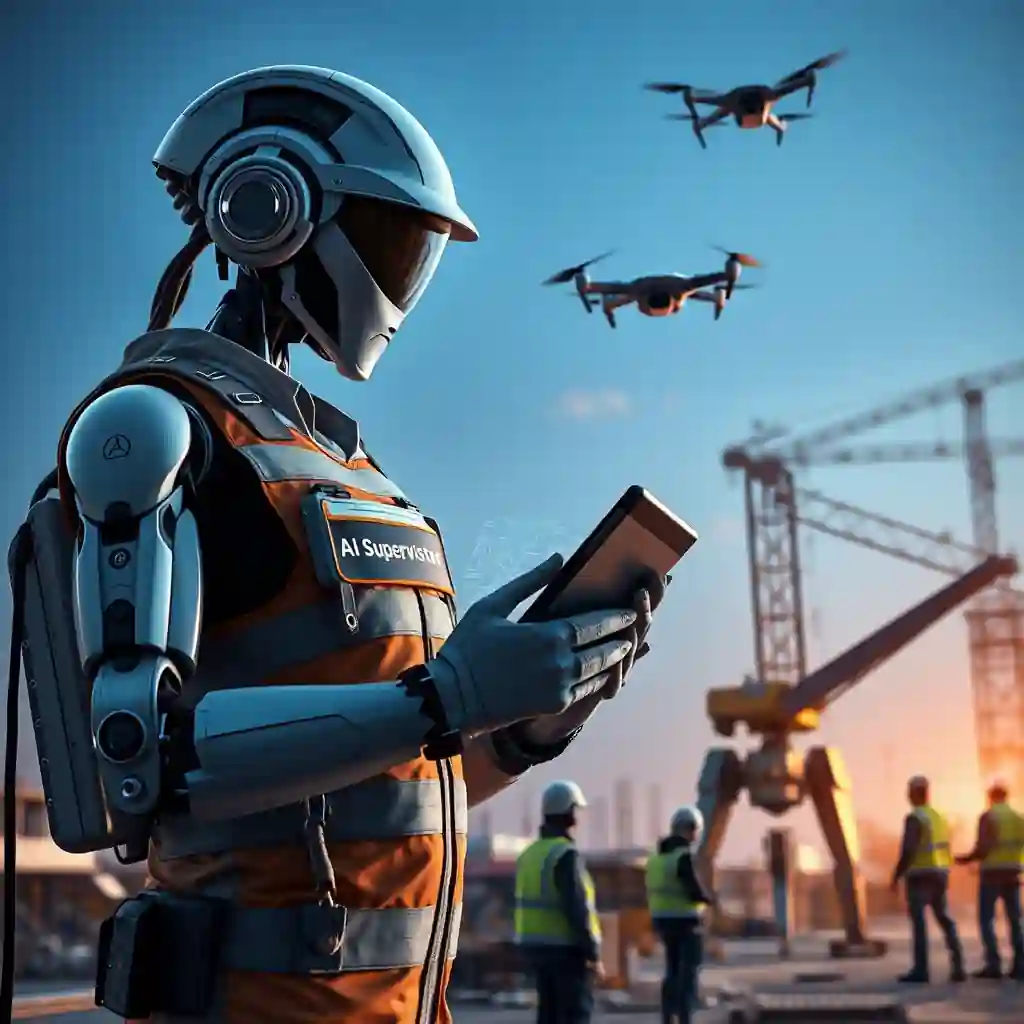
Image by: Google DeepMind
https://www.pexels.com/@googledeepmind



Comments on this article